

You Might Already Be Sitting on Your Next Idea
Revisiting Under the Blue Lights through reinterpretation and process

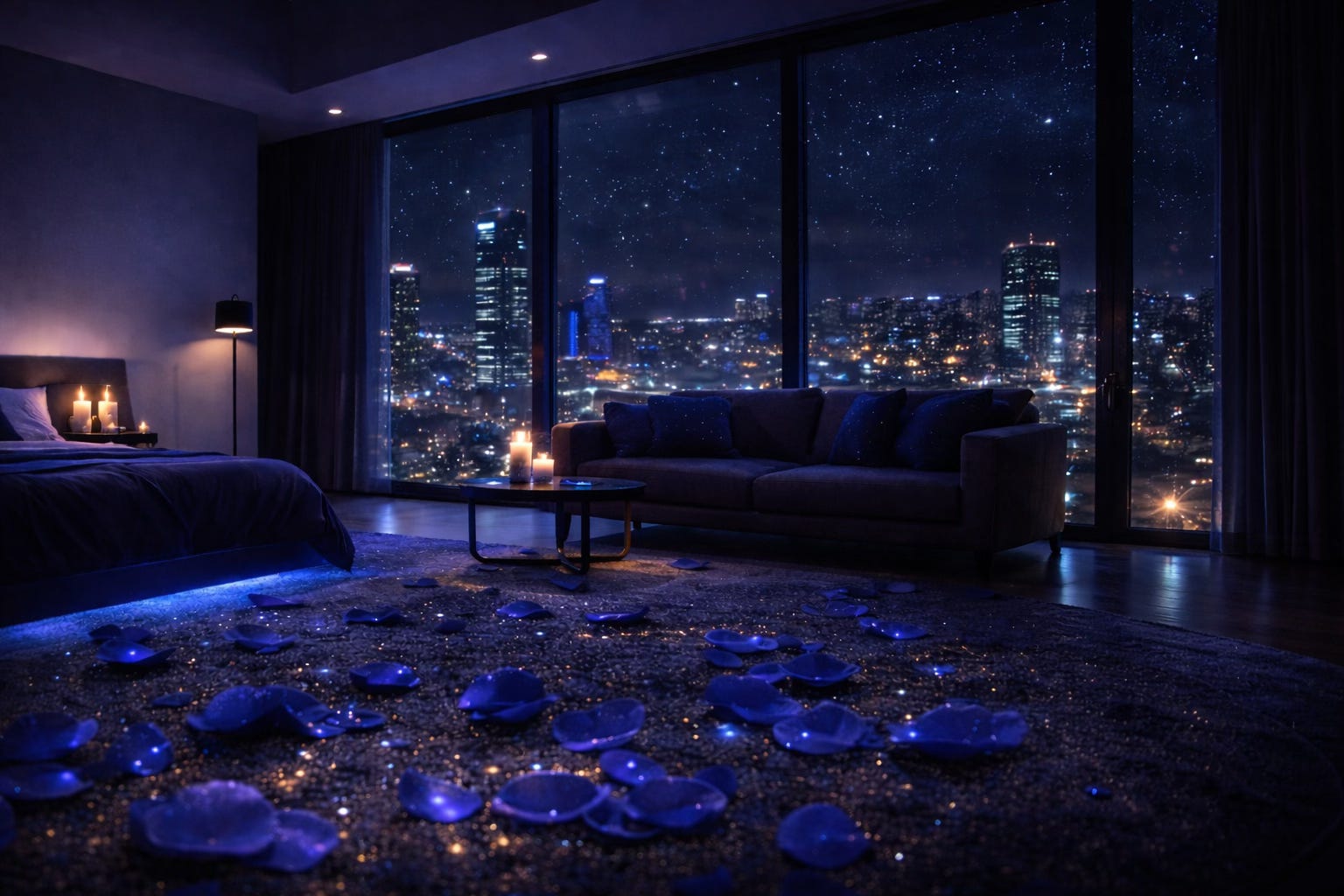
I have never treated my first album, Under the Blue Lights (2024) as a finished statement. From the start, it was meant to hold a mood rather than close a chapter. I typically build work with the expectation that my ear will sharpen, my tools will evolve, and my relationship to the material will evolve over time. Leaving room for that is intentional.
The Romantic Reimagining of the album grew out of that openness. I was not trying to improve the album or update it. I was listening for ways to feel the music differently. With Valentine’s Day on the horizon, and as a Certified Lover Boy, I figured it out.
Working this way has changed how I think about output. One idea does not have to equal one result. A song, a project, or a body of work can carry more than one expression if you allow it to. That matters when you are trying to keep creating at a steady pace without flattening your standards.
This new project came together because I gave myself permission to ask different questions of the same material. What happens if the tempo breathes more? What happens if the harmony lingers? What happens if I remove urgency and let intimacy do the work? Those questions were musical first. The tools came second.
I worked with artificial intelligence as part of this process, but never in isolation. The results came from active direction. Decisions were shaped by my experience as a saxophonist, songwriter, and producer. I knew what to push, what to pull back, and what to discard entirely. Without that foundation, the output would have been unfocused and shallow. The technology did not replace the choices only my mind could make.
There is a lot of fear around AI in creative spaces, and much of it is warranted. The environmental cost is real. The lack of regulation is real. The way corporations talk about replacement instead of collaboration is real. Ignoring those issues does not help anyone. Pretending the tools do not exist does not either.
What has been useful for me is staying grounded in craft. When you know what you are listening for, when you understand structure, tone, and intention, these tools become responsive rather than prescriptive. They speed up exploration and help surface options, but they do not decide what matters.
This perspective did not come out of nowhere. In my previous role as Director of Marketing for a global training organization, I led a small team that built a learning center focused on Applied Artificial Intelligence. Creating the brand presence for that initiative required a deep dive into generative tools, their limits, and their practical use cases. That was the point where I stopped treating AI as an abstract concept and started understanding it as infrastructure.
By the time I transitioned into being a full-time artist, those tools were already part of how I worked. They help me move faster without cutting corners. They help me manage volume without sacrificing taste. They do not make decisions for me. They help me get to the decision point sooner.
That distinction matters.
As a subscriber to Created to Create, you are getting a first listen to all of the Romantic Reimaginings before they are released publicly. I wanted to share them here because this space is where I talk honestly about how things are made, not just what gets released. The music is the artifact. The thinking behind it is the work.
If there is a takeaway here, it is simple and practical. Your art does not have to stop at its first form. If you build with intention and keep your standards intact, you can return to your own work and find new paths through it. Tools will continue to change. Taste, judgment, and experience remain the difference.
Happy creating!
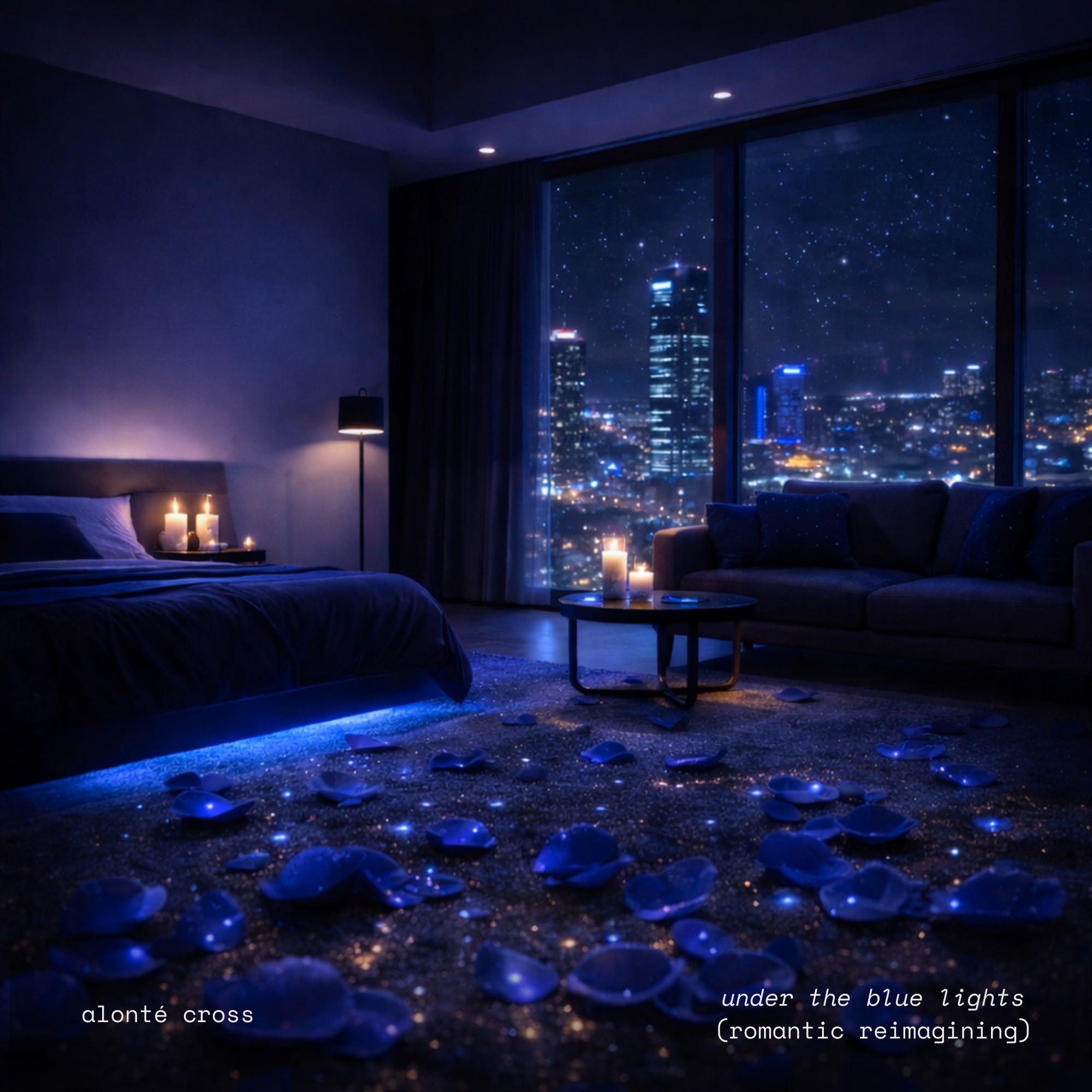
Under the Blue Lights (Romantic Reimagining)
1.) Ignite the Night
2.) Shine
3.) Oodles & Noodles
4.) Earth is Ghetto
5.) Smoke Screen
6.) Under the Blue Lights
7.) Hypothetically
8.) Abide
9.) Turn the AC On
10. ) Beyond the Blue
Thanks so much for sharing this nuanced take on AI in music. I’m still forming my opinions on it, just as I am in my own design career. When I design AI/agent-forward experiences we always talk about the importance of “human in the loop”, and I think this is a really impactful example of it.
This is amazing 🌌🌌🌌